Ans — technical assessment of water infiltration and water damage
- Year
- 2026
- Type
- Renovation
- Use
- Residential
- Category
- Technical & Judicial Expertise
// Our roles on this project
Tracing water infiltration through combined non-destructive investigation
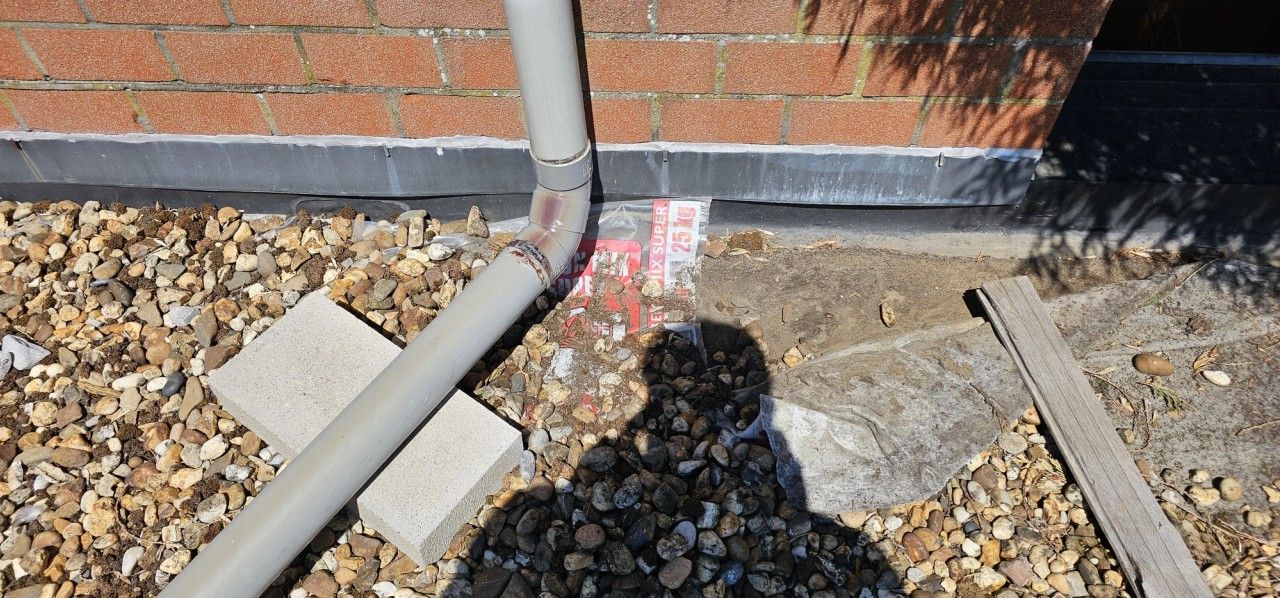
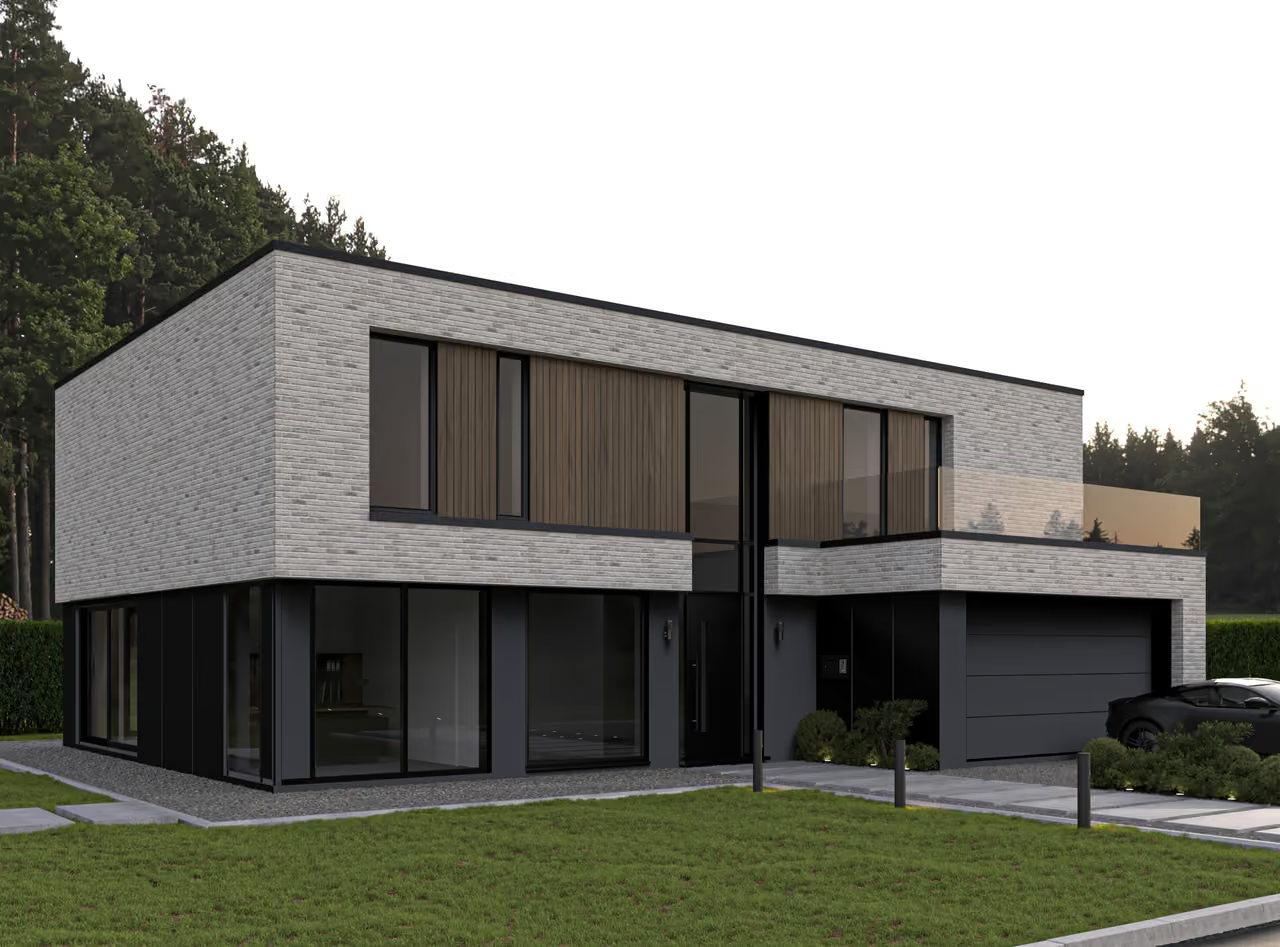
In Ans, in the province of Liège, ArchitectANA carried out a technical assessment following two incidents of water ingress in a residential building. The investigation aimed to locate the affected areas, document the damage and examine its probable causes. Building observations were combined with additional measurements to study possible water paths between external construction details and the signs of moisture visible inside the property.
Inspecting the building and affected areas
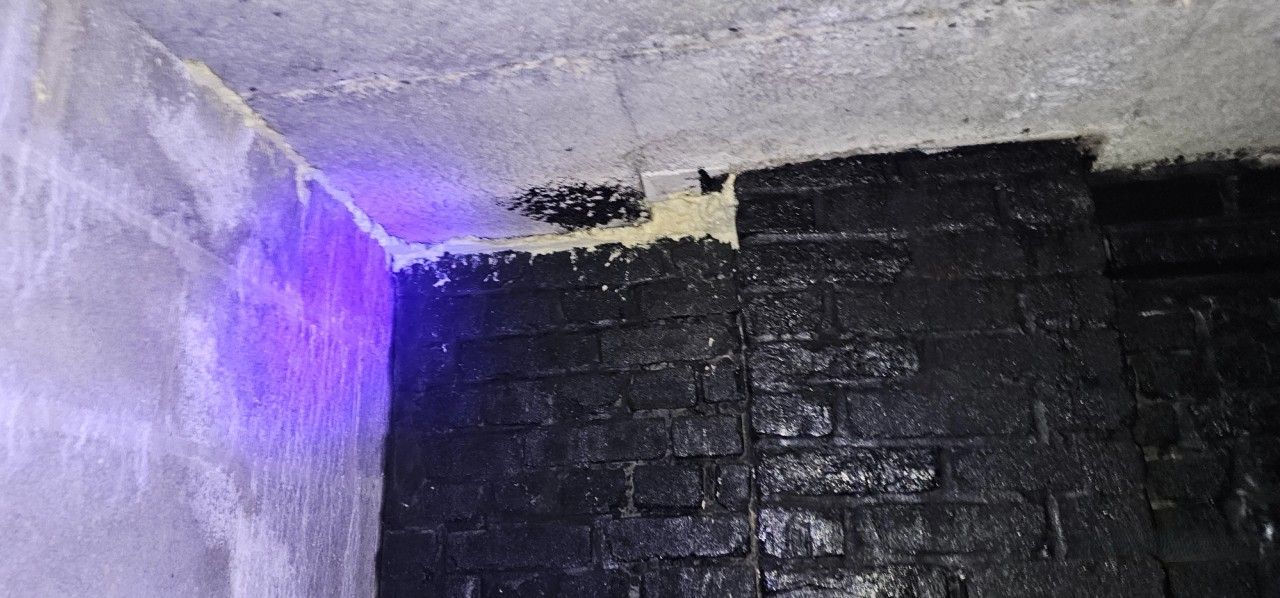
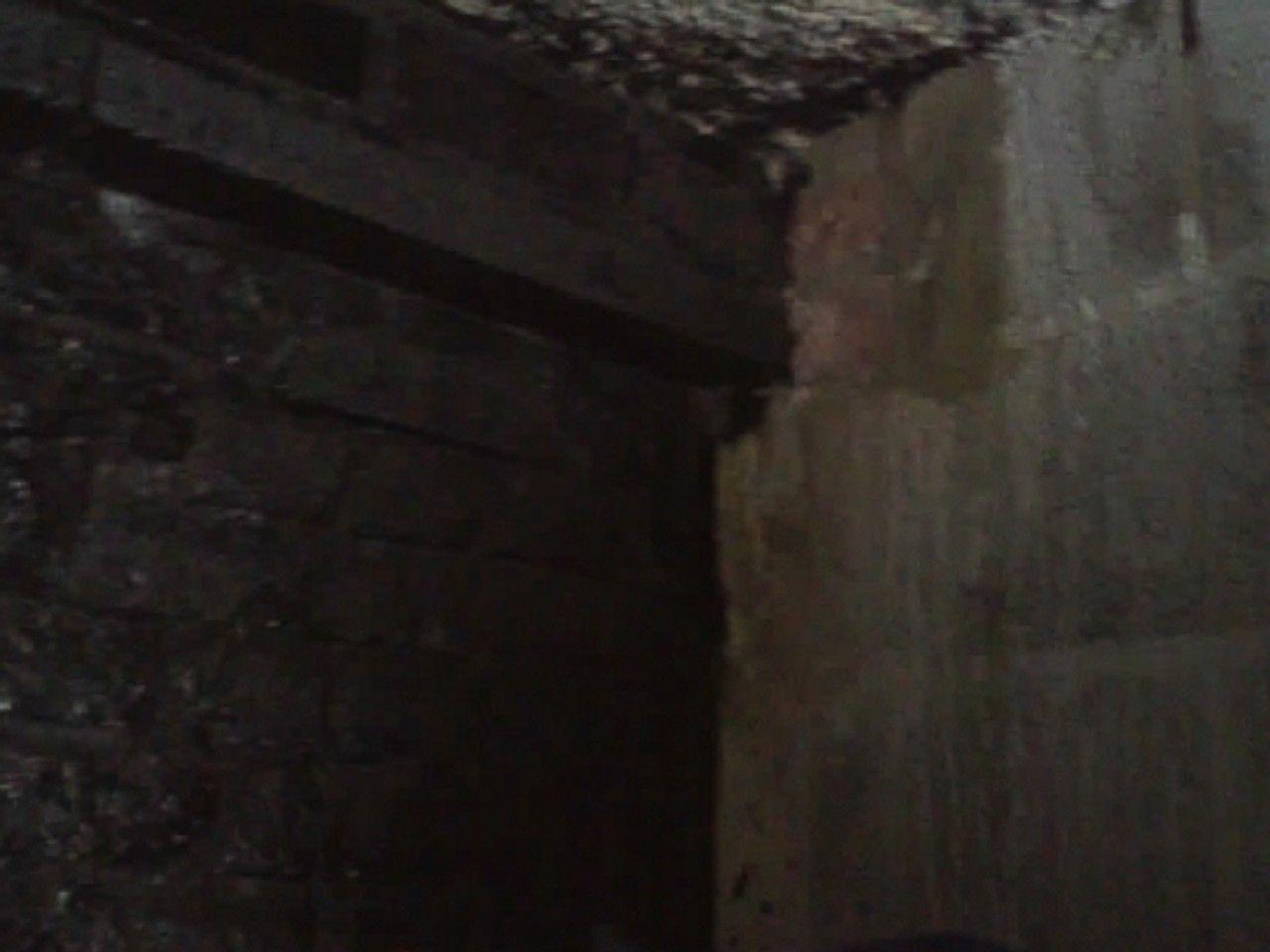
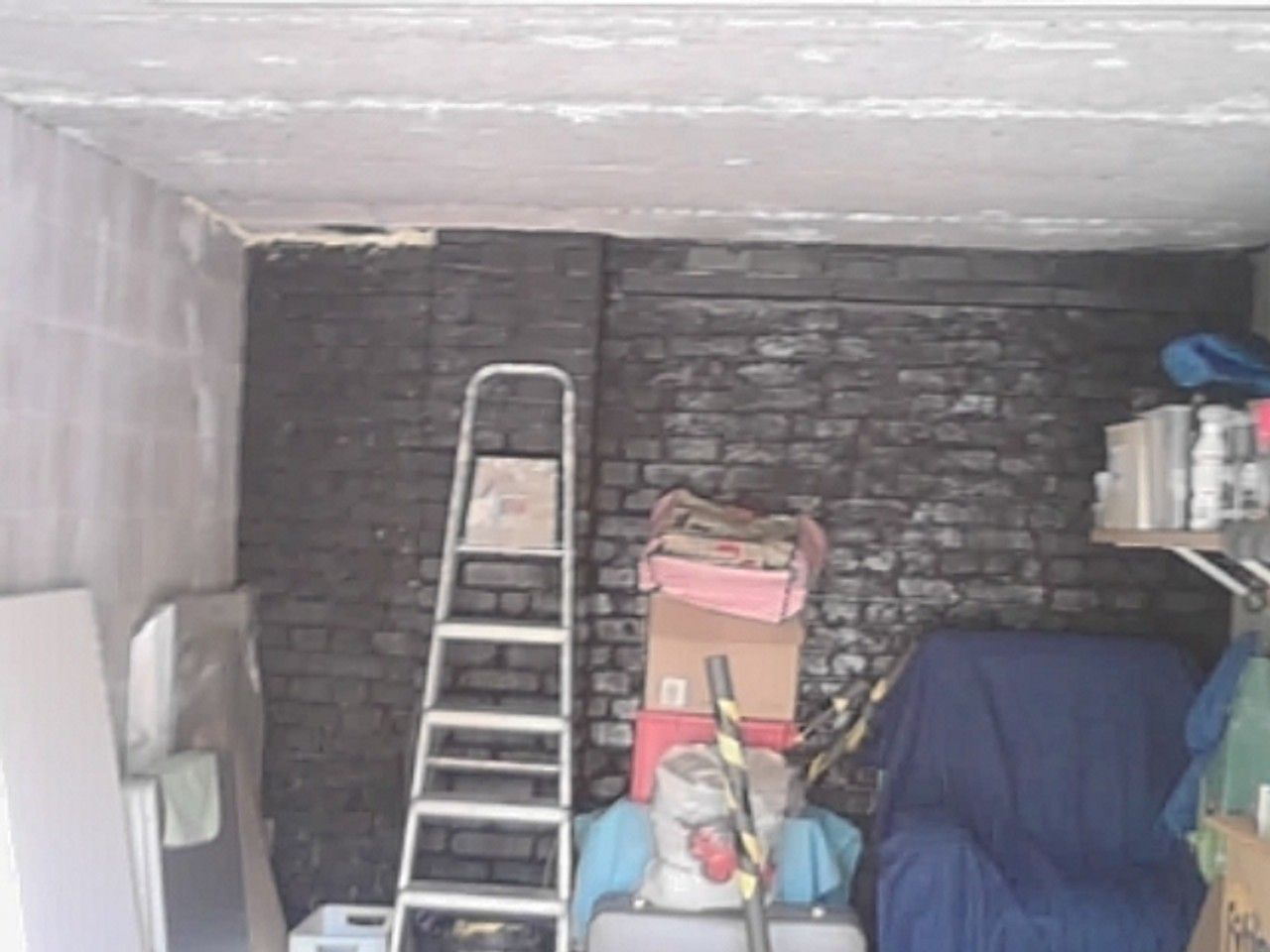
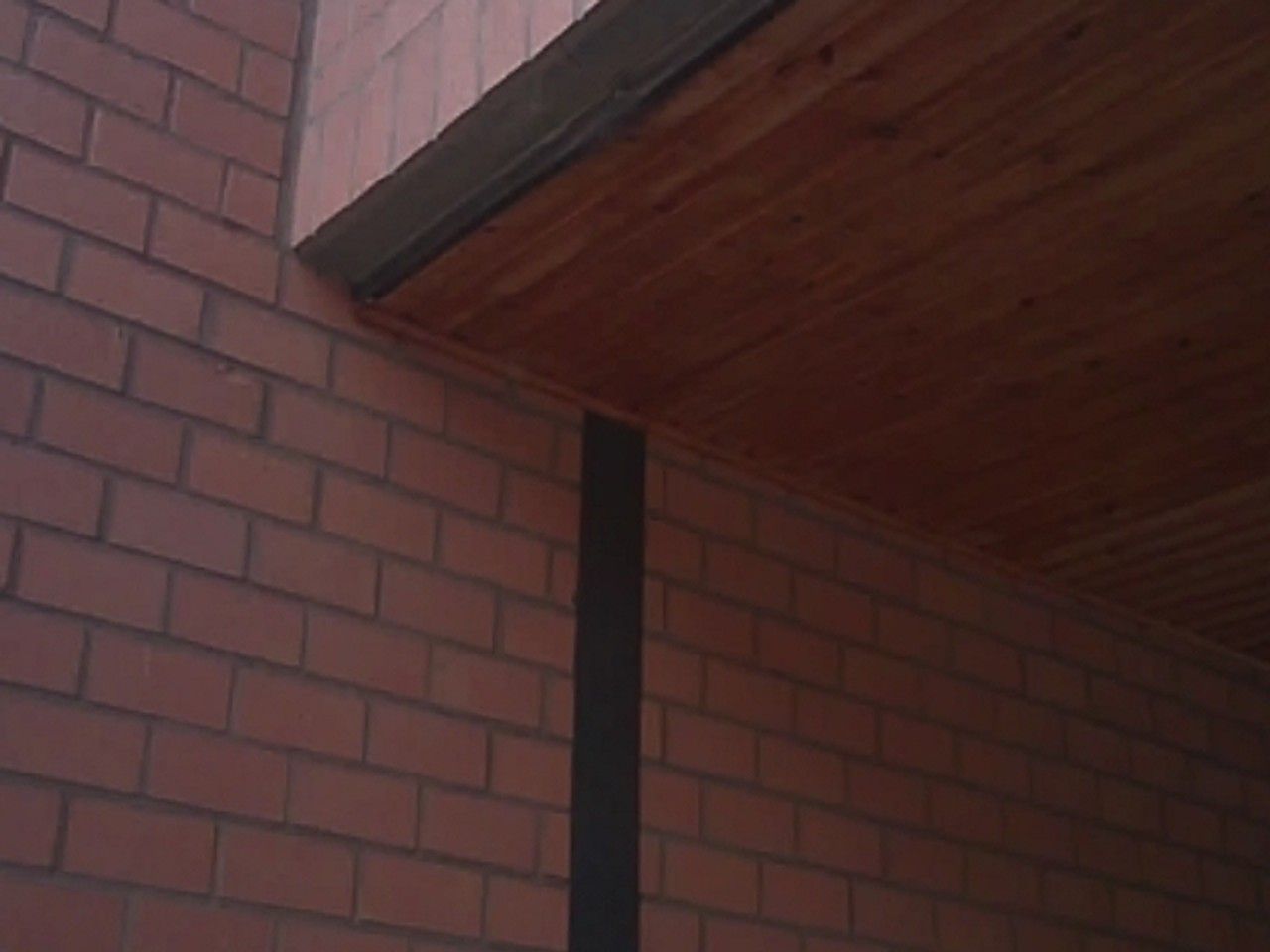
The visual inspection covered the garage’s flat roof, its waterproofing, rainwater drainage and connections with the façades. Inside, wall-to-ceiling junctions and the affected wall surfaces were examined. These observations helped locate sensitive construction details and investigate possible relationships between the external areas inspected and the damage recorded within the rooms. The assessment considered the external and internal findings together.
Combining measurements, thermography and dye tracing
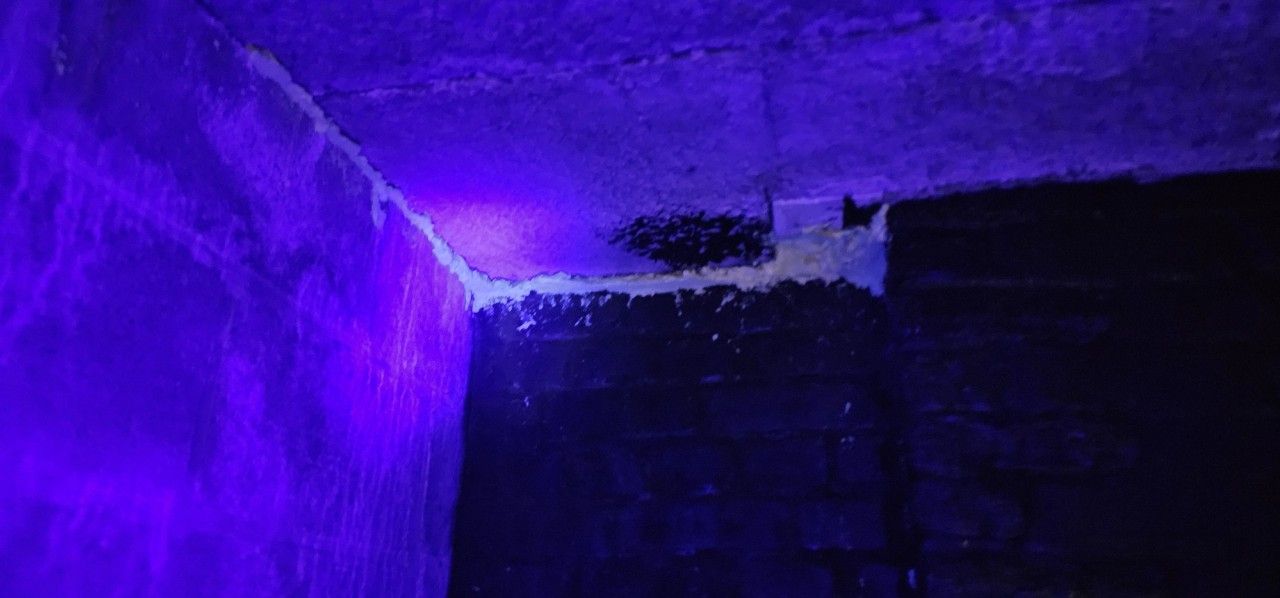
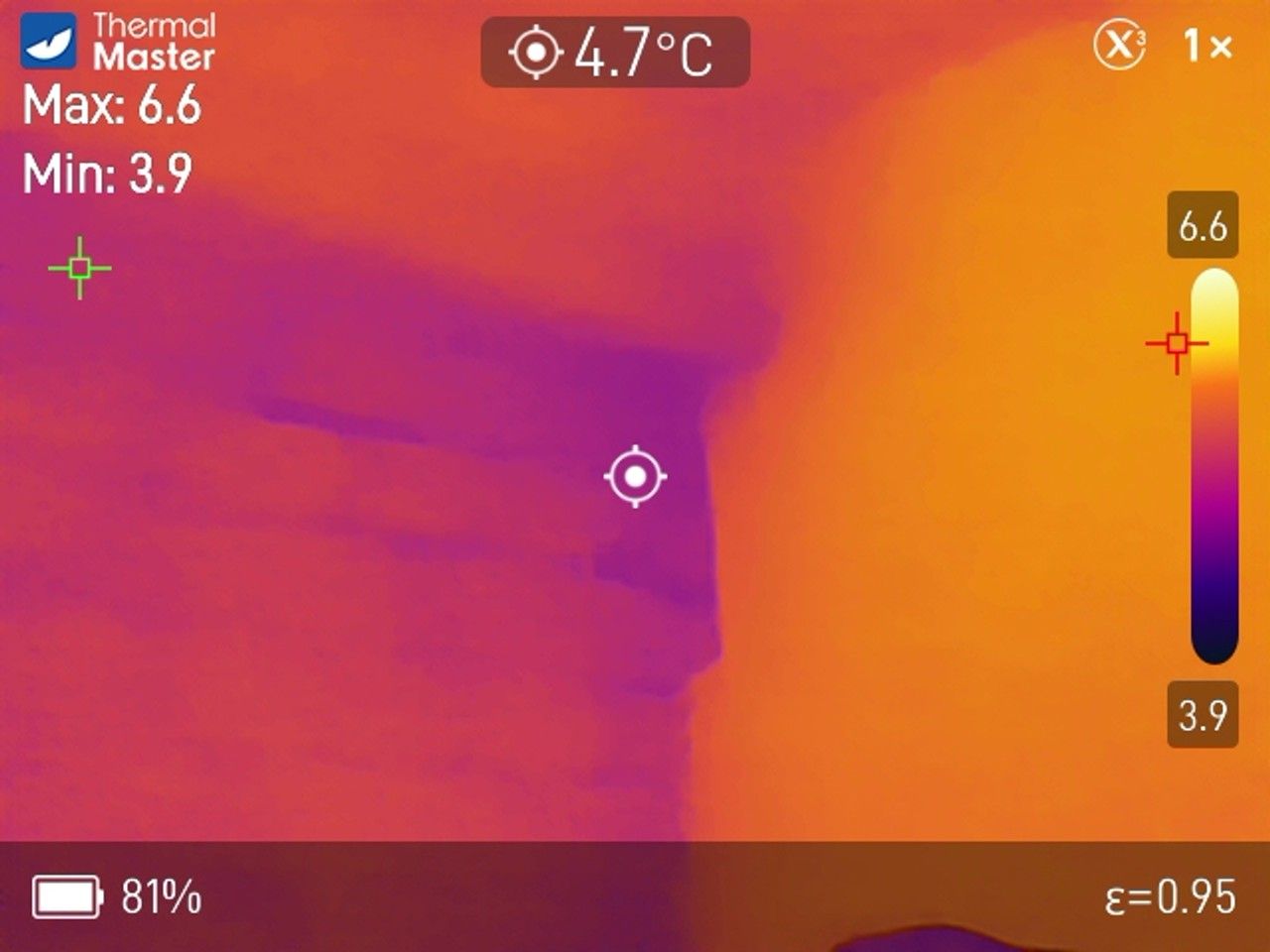
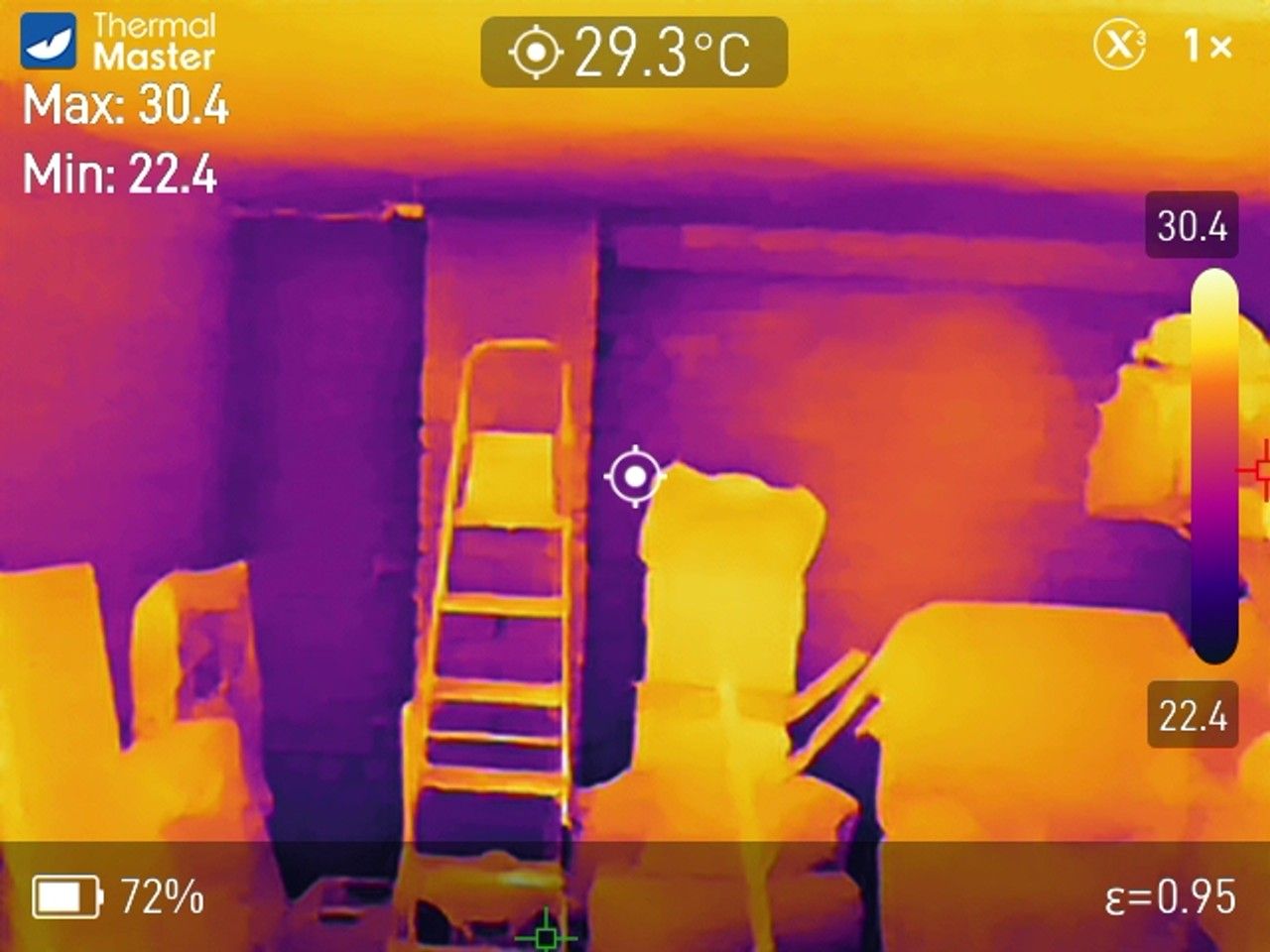
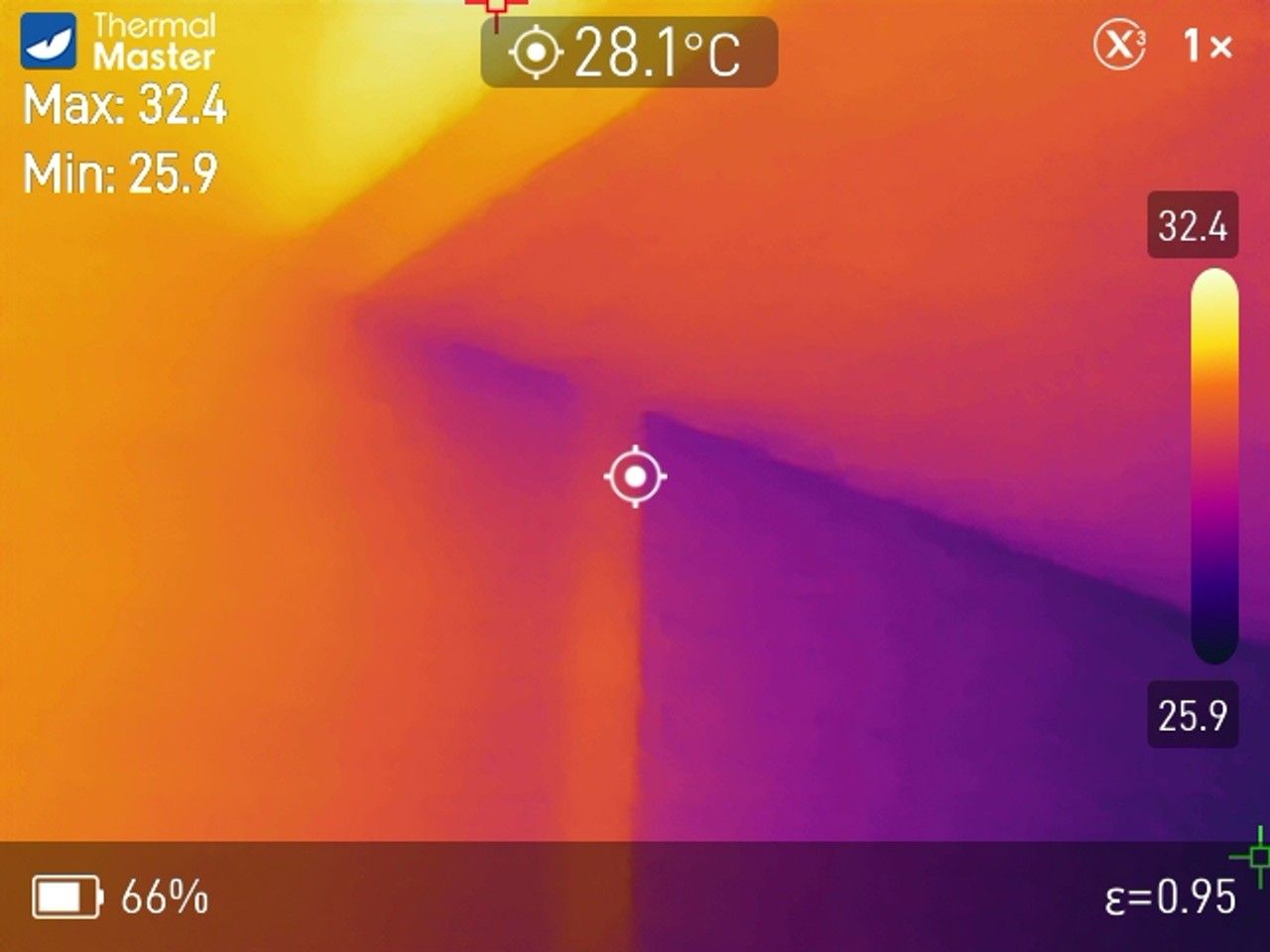
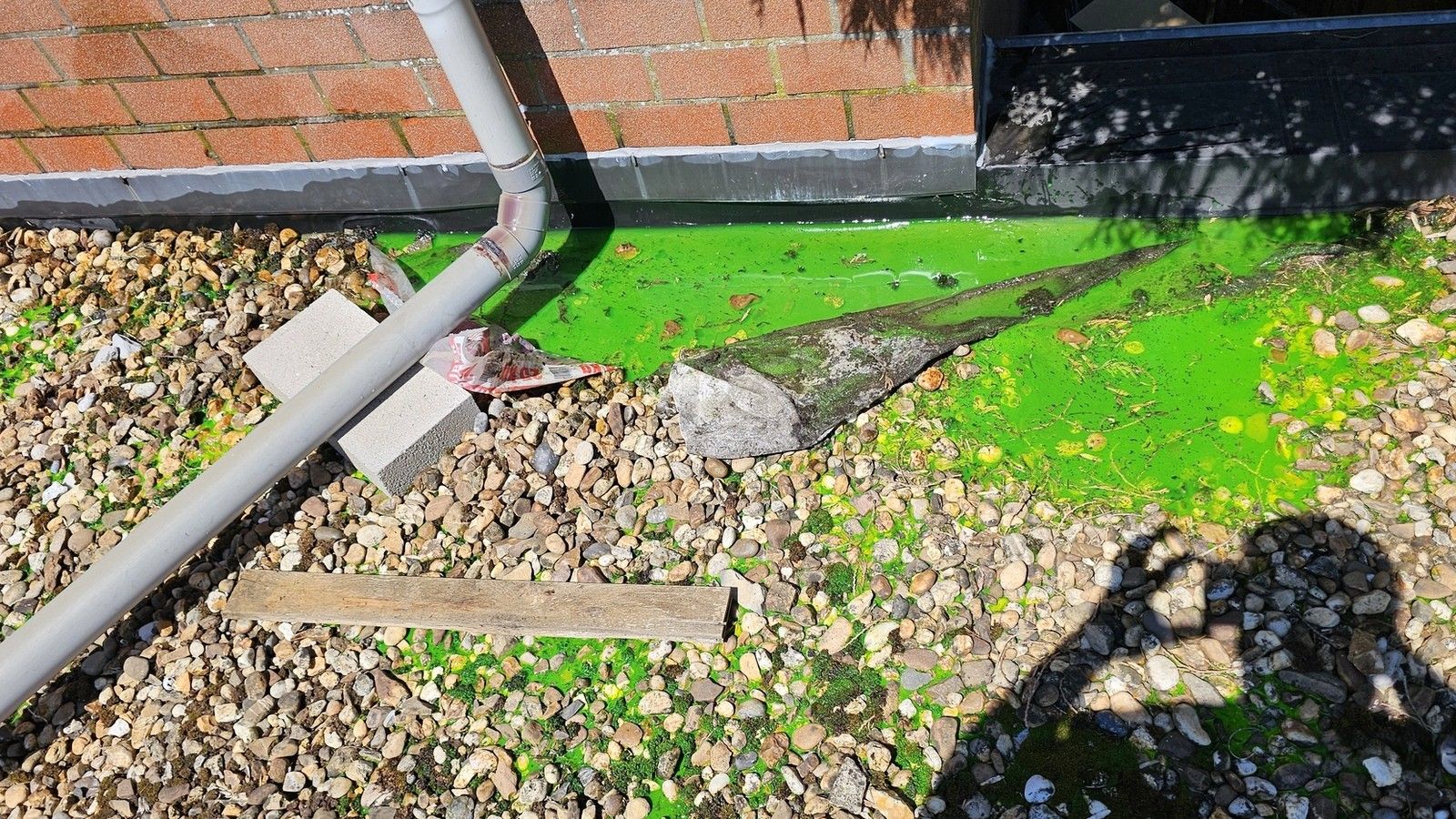
Local moisture measurements and humidity readings supplemented the visual inspection. Infrared thermography provided images of surface temperature variations for comparison with the other observations. Dye tracing was also used to explore potential water paths, including checks for fluorescent tracer under ultraviolet light. These different sources of information were brought together to examine possible explanations for the water ingress.
Informing further investigation and possible repairs
This approach, based on non-destructive investigation techniques, aims to refine the hypotheses and identify areas where further examination may be needed. Comparing the external and internal findings provides a technical basis for discussing possible repairs and where they may be required. The assessment distinguishes observed symptoms from the mechanisms that could explain them. Each potential explanation remains linked to the observations and tests available to assess it.
// Documentation
09 items